
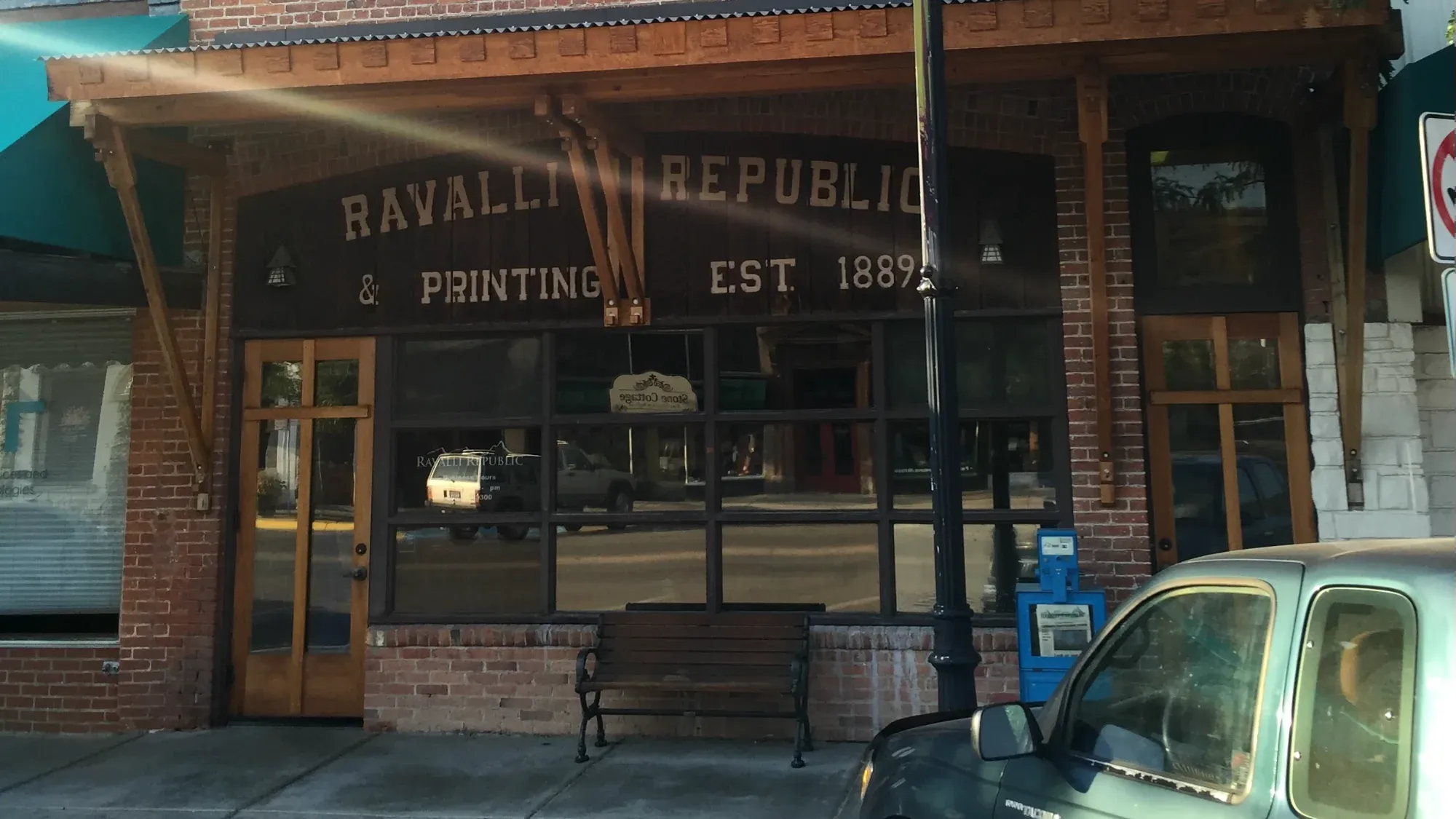
My time in media shaped how I work. Years after I left the newsroom, the things I learned about writing, editing, and design stay with me. They’re the obvious skills one would expect to come out of working in a newsroom.
The skill that you might not expect, is working as a team. Writing is, by nature, a solo activity. Sure, bigger, national stories might have multiple writers contribute to a piece, but by and large, one writer writes a story.
Newspapers are different though. For a newspaper to come together, a whole team of people have to come together – each bringing their own skills to the table and executing their part. A reporter has to find the story, conduct interviews and write it.
An editor (or two or three) reads the story, corrects grammar, etc. and passes it off to the page designer. That person slots it into a spot in the newspaper, giving it an appealing headline. Then the design goes back to the editors, who critique the design, catch any missed errors, and approve (eventually) that layout/design. Then the paper gets handed off to the pressroom. They load it into the press and giant rolls of paper become newspapers. Then they go out, in the middle of the night or early morning, to be delivered to you. (I didn’t even include the advertising side of the newspaper which has its own process that has to come together before the first page of the paper is designed.)
Each step in that process has to happen in order, and on time, in order for the newspaper to be completed and distributed on time. If one person fails or misses a deadline, it impacts everyone that comes after them. If a reporter is late submitting a story, the editors get it later, and are more rushed to complete their editing. The page designer has less time to put the paper together. The pressroom starts the run later, which means finishing later. That could mean a later start to distribution or expensive overtime for the pressroom.
In order to keep the train moving, it’s in everyone’s best interest to make sure that each person in the line is supported. No matter the hierarchy, everyone needs to pitch in when challenges emerge. That could mean reporters helping other reporters, editors helping design pages, or designers helping follow up on interview calls for a reporter. And it never hurts to bring dinner or treats to the pressroom crew!
If something goes wrong at any point in the process, it’s a failure of everyone’s, not just a reporter, editor, designer or press operator. When the public sees a mistake or a failure to provide the product, they’re not going to blame a single person most of the time. They’ll blame the organization.
Those years spent placing stories and editing them before sending them off to the pressroom taught me the importance of teamwork. They taught me the importance of doing my part to keep the trains on schedule. Meeting deadlines means doing the prep work before crunch time. It means making sure the people ahead of me in the process are supported so they can complete their work on time – and trusting that they’ll do it. It means that when I cause a delay, I own it and help those that come after me to catch back up.
Leading a newsroom isn’t just about deciding which stories to publish and editing the writing. It’s about ensuring the team is supported in whatever way they need to complete that day’s tasks on schedule.
The same is true of leadership in any industry. Leadership isn’t just about the decisions you make. It’s about taking care of the team and making sure they have everything they need to be successful. That could mean the tools they need or training to expand their skills and be better at their role. It could mean addressing pay scale. It could be ensuring the work/life balance remains balanced.
Just like a newsroom, if one person fails, it’s a failure of the team, not one person. No one can do it all by themselves. It takes a team. It takes a village. Watching each newspaper come together and the delicate dance it took to get there, showed me the importance of working as a team and I have carried that with me in every role since.